
Living well through movement
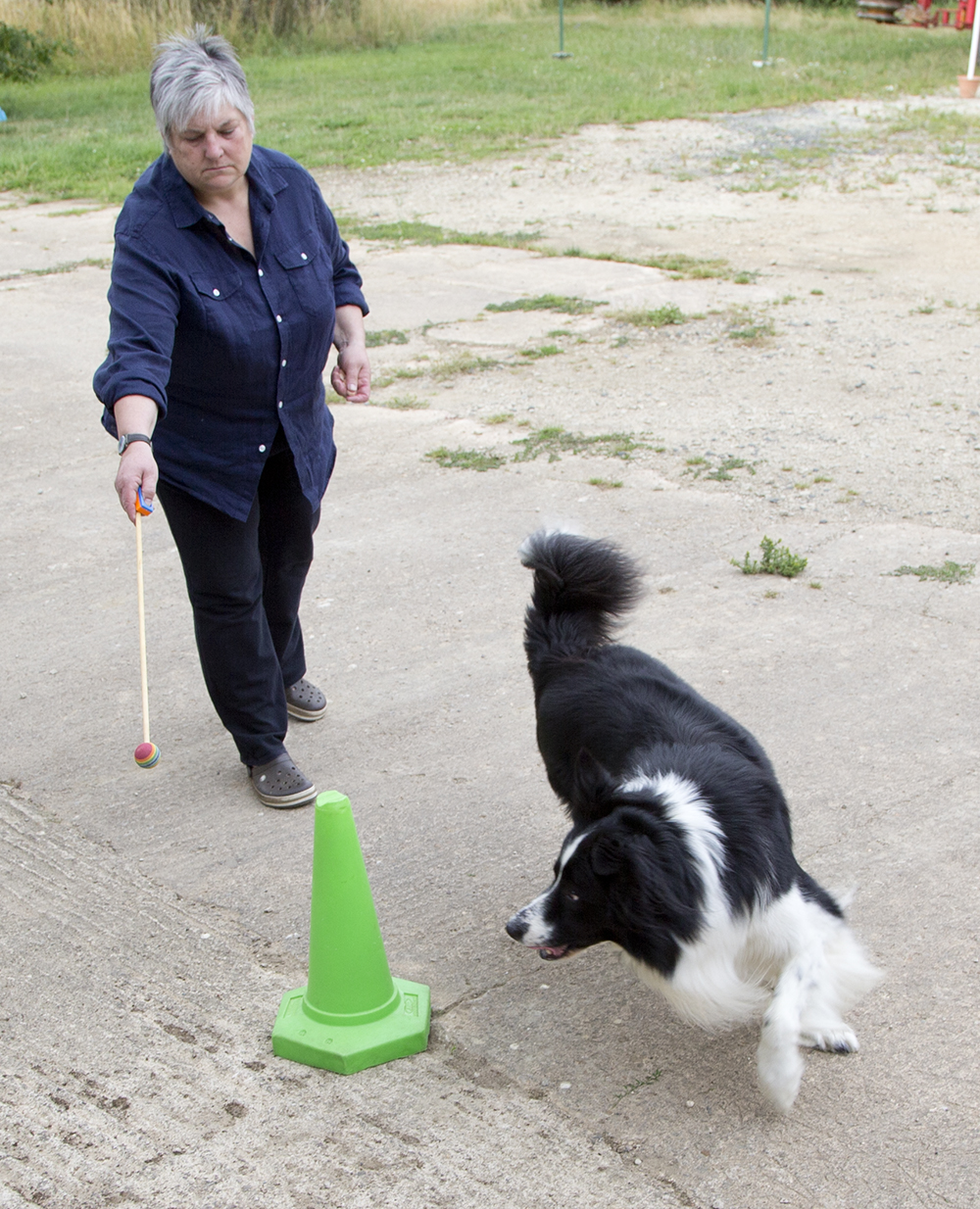
“The purpose of learning is to get more
or better rewards”
W. Shultz
Can we assume that the more we learn the more rewards we can enjoy? Often these are not directly obvious. When we learn and extend our mobility: dancing or mountain climbing, this impacts directly on the everyday walking. We improve our balance and coordination, endurance, agility. As a post-70year old, I can assure you that if you do NOT pay detailed attention to good movement it will disappear.
Movement comes in may forms: precision of fingers on keyboards to explosive reaction to catch or race. In the past we often relied on “doing things” such as sports to keep us moving, but this often is limited and does not encompass all movement or particularly fine movement. Playing tennis is unlikely to improve keyboard accuracy.
When I was in my 20s a gym was a place for boxers to get sweaty or real gymnasts. I would not have been welcomed at the door.
Today there is a greater understanding of holistic movement and precise actions. I absolutely see the parallel for the dogs, what seems natural for pups in their play-gym is lost as they mature.
“Movements produce proprioceptive stimulation in muscle spindles and joint receptors, touch stimulation on the body surface, and visual stimulation. All of which can be perceived as pleasurable and thus has reward functions.
W. Schultz
I worked with a group of dogs that were ”field fit”, running, racing each other, woodland and field exercise with lots of walks. We worked to produce a demonstration-display that ended with a synchronised bow. Most of the dogs could not perform the bend or keep their butts in the air, they were resistant and stiff. After several weeks of the incremental stretching and bending everyone, including a 12 year old, were much more flexible and able to perform and hold the position. Some even learned the “kiss my butt” moving UP into the bow from the down.

Rewards were plentiful for the dogs as they learned how to initiate and control the move and it was equally rewarding for the people: seeing the progress and laughing with pleasure; I have no doubt they continued this as it was so mutually rewarding and a delight to show their dog’s skills to visitors.
A bow, or play bow is entirely natural but somewhere in life’s journey this can be lost.
Does asking your dog to enjoy a bow (not the waking stretch walk-bow) elicit joy in anticipation of play?
What type of learning builds their confidence, resilience and longevity of movement?
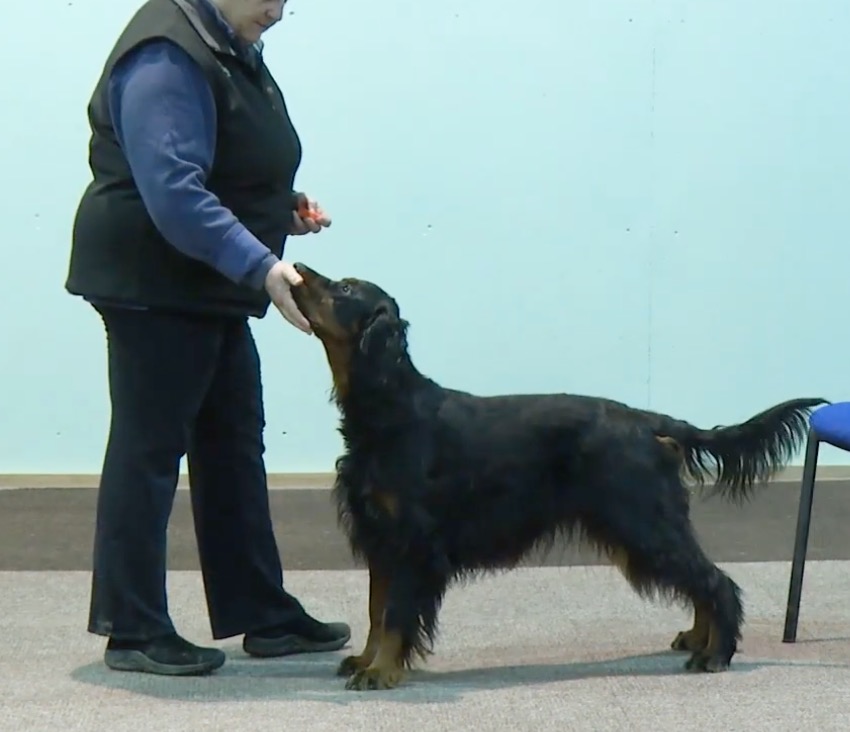
We can employ targets to teach exquisite and fine placement of paws which will encourage engagement for balance, we can teach positional changes with clear intent and purposeful actions: sit-forwards (rear feet movement forwards into sit) uses a different set of muscles to sit-back (front feet step backwards to back feet). dogs will generally show a preference for one but can benefit from learning both sets of actions.
We use Cup on a Stick© to teach a collected walk and trot (horse folk are very familiar with this). Both gaits can be relaxed, or sloppy, with a simple purpose of getting from A to B or engaged and performed to impress the ladies or swank around with a coveted toy.
A dog that is field fit: can stalk, gallop, jump fences and keep going to several miles will be missing the fine “tuning” that keeps these working bodies at full performance.
How does learning together build connection?
As we teach movement and action patterns do we develop more understanding for the dog’s processes:
- which muscles to employ, which muscles need to relax or extend?
- in what order are the muscles engaging, what is the temporal order?
- what intensity affects the speed ?
For example: a dog intending to sit backwards will initially elevate their head to move their centre of balance backwards. Learning to identify the opening of the movement and how the movement progresses builds good observation skills.
Does a dog sink in preparation to jump upwards?
Do we develop a better observational awareness of their tension or ease, their struggles or confidence? Can we recognise changes in balance or collection in movement: do you know how your dog transitions between walk and trot?
Does your dog develop more observation skills of our frailties, (they are the superior learners), or confidence, our confusion or frustration particularly when we feel we are not able to control or understand a situation
What does well balanced movement look like?
All elements of the dog's fitness will impact how the stand or move in balance. The quality of this movement is dependent on our observation skills and training thoughtfully.
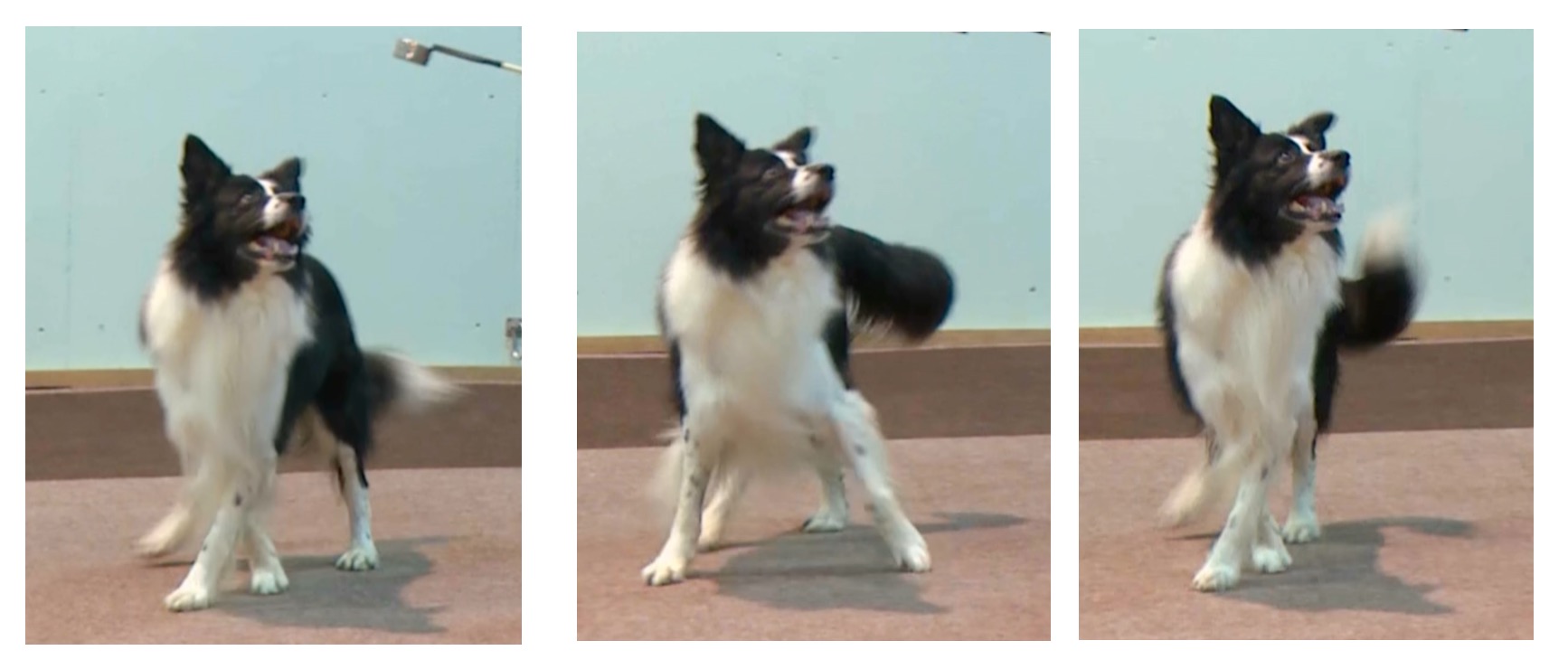
A repertoire of well-practised skills builds confidence
Developing greater awareness of movement skills and learning cued behaviours is like practising evacuating from an airplane crash, or Winter driving skills on skid pads. We learn fire drills, we learn what to do when driving on ice, we build experience and skills to deal with unplanned situations. Not only for the chance of saving your life, your car and your dogs but also as an increase that you will be able to respond well to a difficult situation.
Because you KNOW you have a range of options.
We can do the same for our dog:
- Can they take several steps backwards with ease?
- Turn at speed without losing balance?
- Come to a stop without crashing?
This type of learning builds resources the dog can call on which leaves them with greater confidence.
Building a movement repertoire is particularly important for all dogs but especially Border Collies and Sheepdogs who can have their body over-managed by the Collie instincts: a narrow repertoire of actions that can be overused and other essential movements become neglested, such as sitting actions. That working brain will also avoid listening to the signals or struggles of the body.
This can equally apply to hunting breeds whose nose will take their bodies far beyond sensible management or dogs that find their living environments stressful.
Better whole-body movement improves confidence and longevity of life.
It is not so much about living longer but living well for longer.


