
Key Skills
Seeing with New Eyes
➤ Key Skills
Life with Dogs
Puppies : First Year
Connection Collective
Every Dog Every Day Book
Teaching with Reinforcement Book
Training with Food
Skills have a direct impact on the life of our dogs
We can learn to do better. We can learn with a different mindset.
Likely to expand your horizon, make you ask questions of yourself, your understanding and your expectations. For browsers, for passers-by and of course for training geeks.

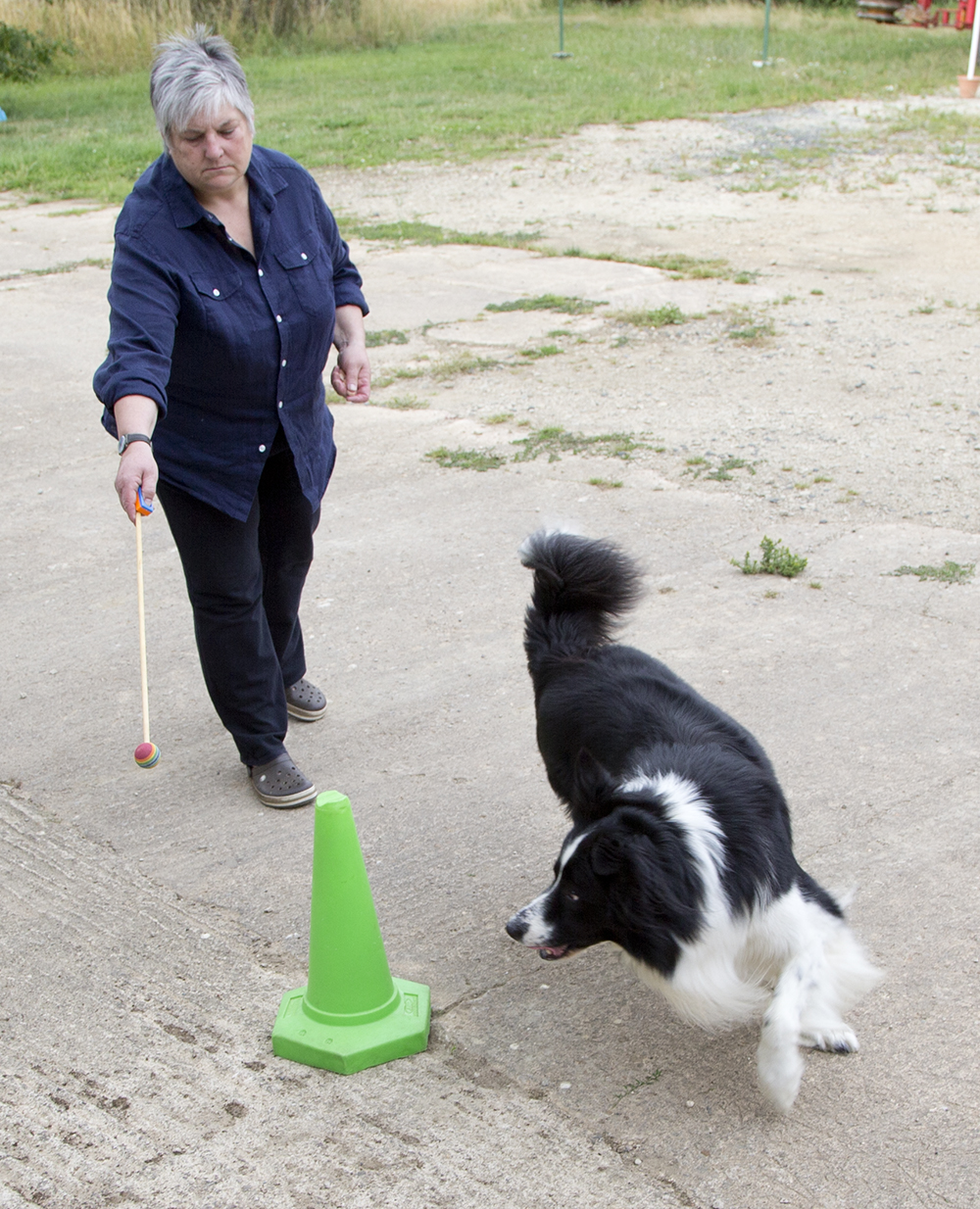
Living well through movement
“The purpose of learning is to get more or better rewards” W. Shultz Can we assume that the more we learn the more rewards we can enjoy? Often these...

What We Get Right About Dogs
We can learn from remarkable people who have worked with remarkable dogs: training and learning are not the same thing at all.

Herding Games For All Dogs?
The wrong herding game is like trying to make a tennis player succeed at football

Teaching People: more than rewards and reinforcers
Familiarisation with the behaviourists’ models of reinforcement, punishment, shaping, extinction, can prevent us from looking outside the windows for either dogs or people …
Cognitive Approach for the Dogs
Training is something done TO the dog. Learning that is something done FOR the dogs.

Location is Their Cue
We begin teaching the dog to go to a target, such as a mat or platform and in this process our focus is on the outcome – the dog can place feet on the object or settle down. But at the same time this learning is happening the dog is also noting the location: where this is happening in this room, in the house, relative to the food-machine (you).

Cue Seeking is Connection
Connection is very individual and to be authentic we have to observe, slow down, understand our dogs and meet them where they are.
Back to Basics?
The word “basic” is often derided as synonymous with “shallow,” but in its origins it is the very opposite: foundational, profound, supportive.

Do you see what I see
Doing better is the reward from doing the work. This work needs to be the right work at the right time with the right intent done in the right way.

What’s Cooking? A Warning About Recipes
Recipes for “training” dogs are so prevalent in how we live with and talk about them that their existence often goes unquestioned.
Dogs are Born To Learn
We can build tremendous learners when we get beyond the idea that “dogs are trained”.
Why add fun?
When an activity gives intrinsic pleasure we do not need to add fun.
No room for mechanics
If your ambition is to have good mechanics in communication to animals then you may find yourself blocked into a tight corner

Evidence of learning
When we use the words “teach” or “train” child, person or dog, the operative term implies that the process is under the ownership of the teacher or trainer. What your teacher thinks you have learned may not be what you actually learned.
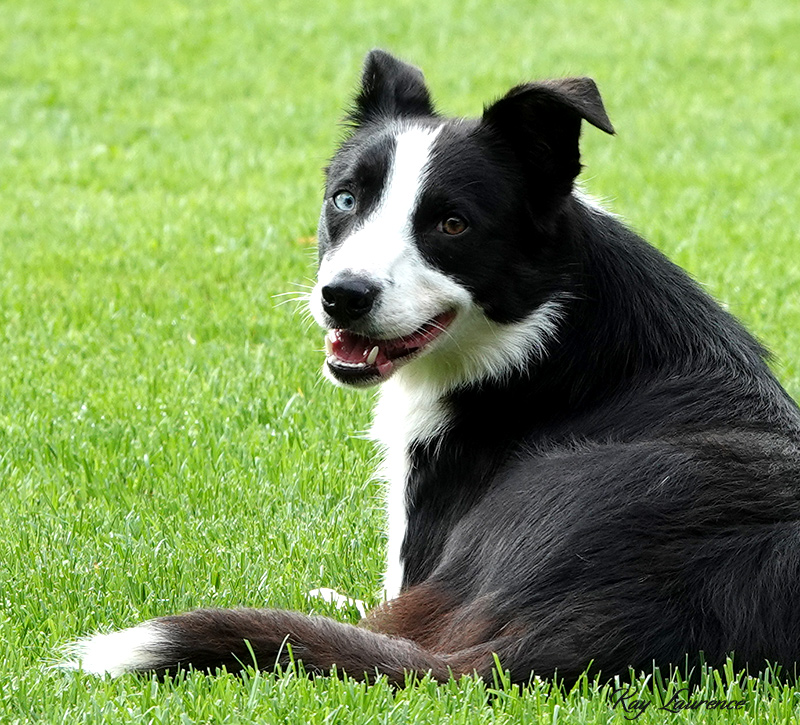
One dog watching
The other dog working
or ….how to train the spectators to quietly rest and watch whilst you work, play, teach a single member of the group
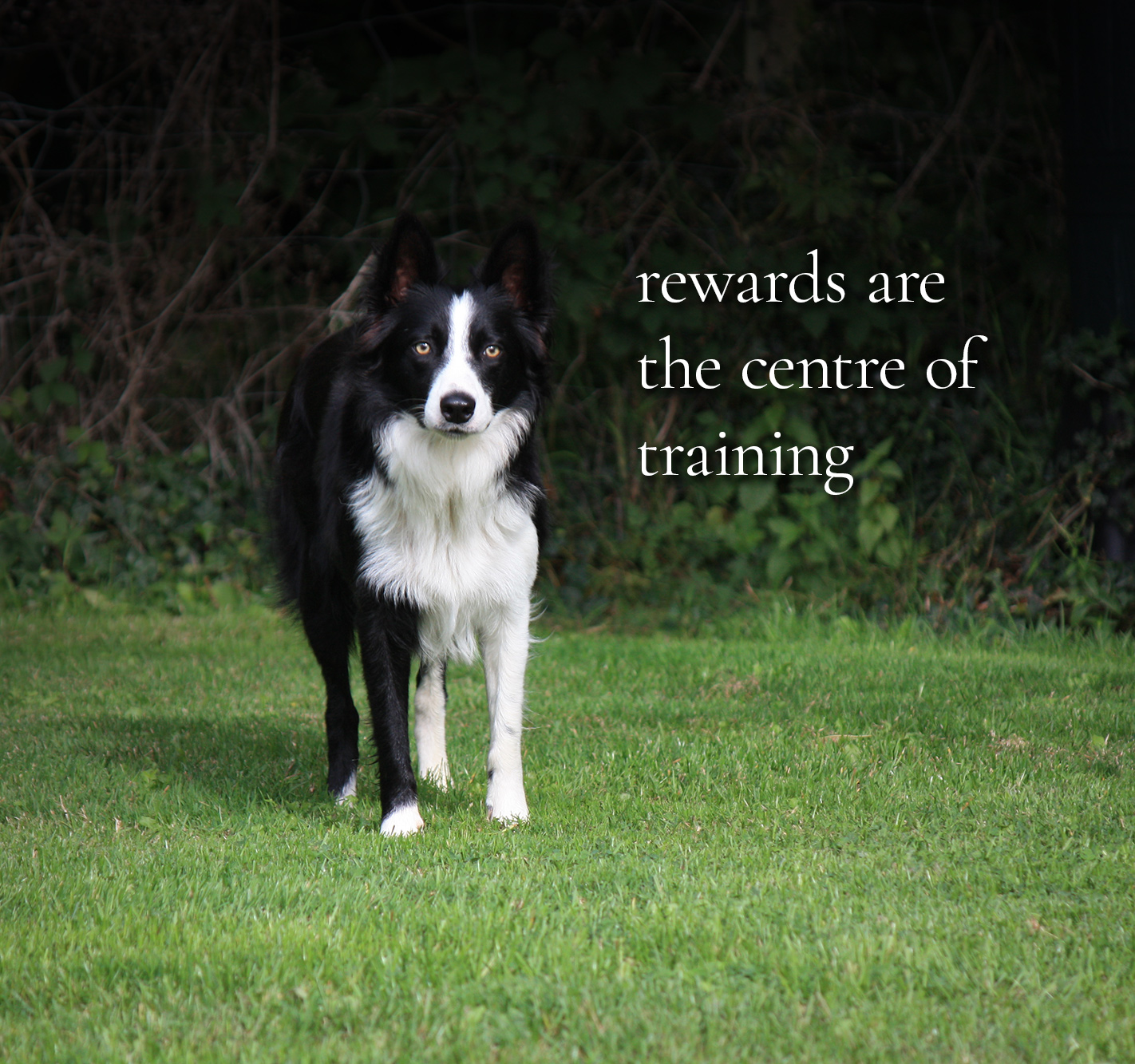
Shaping by rewards
When I see a dog showing a behaviour that is heading towards potential conflict, my first question is “what rewards are available?”

Preparation
Preparation: before moving house or a training session, a key to stress free learning

More than words
We expect our dogs to understand the meaning of words and signals, but if you have ever worked with computers you will know that what you say doesn’t always turn into an actionable response.
Not all lures contain food
“the direct use of the reinforcer to elicit the behaviour”
This should always be foremost in our mind, in that many alternatives lures are available.

Remote lures
Lures at a distance, separated from hands, pockets . Using reward stations, patterns, containers
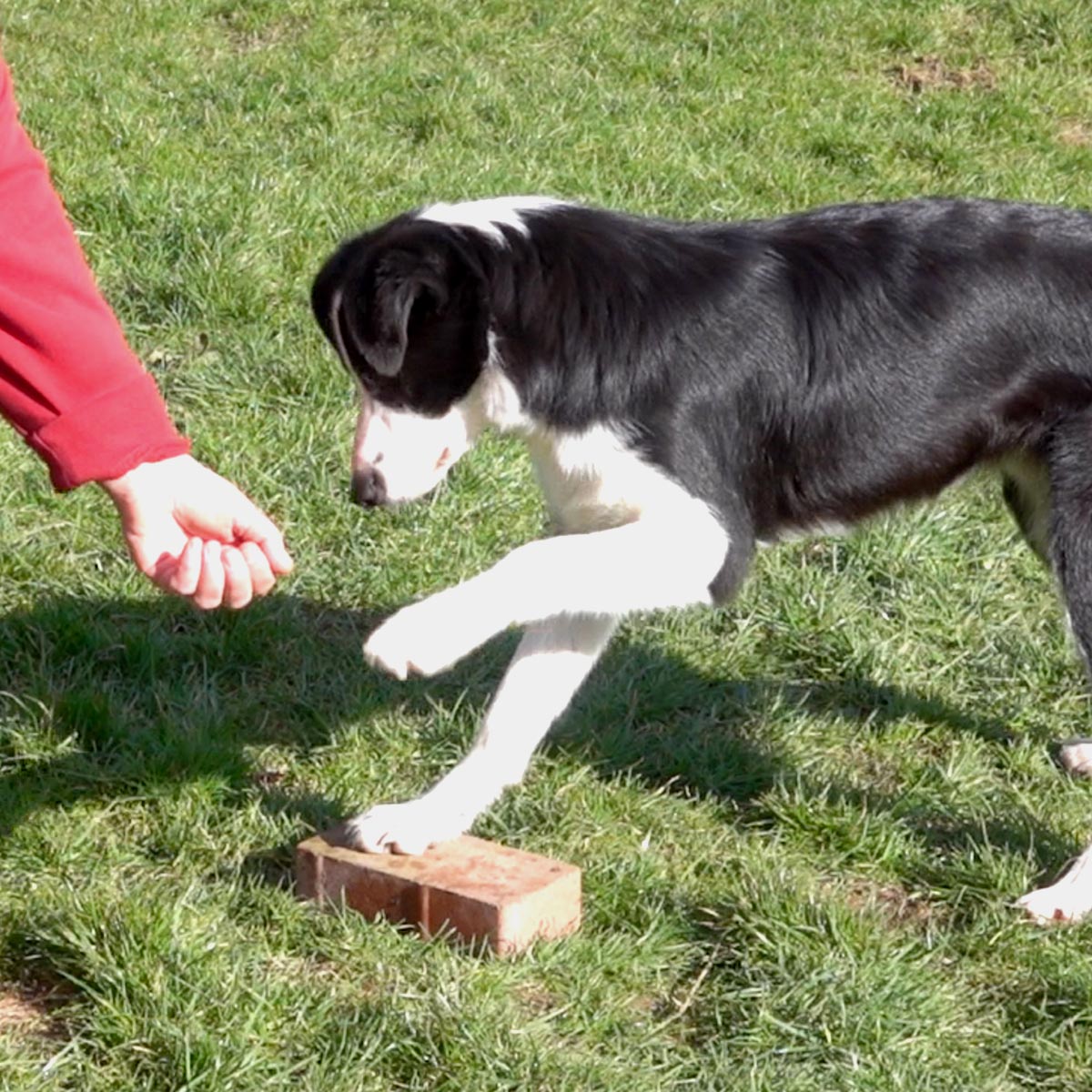
Luring: Hand lures
Learning the skills for clear communication with hand-lure: collect, engage, follow, feed.
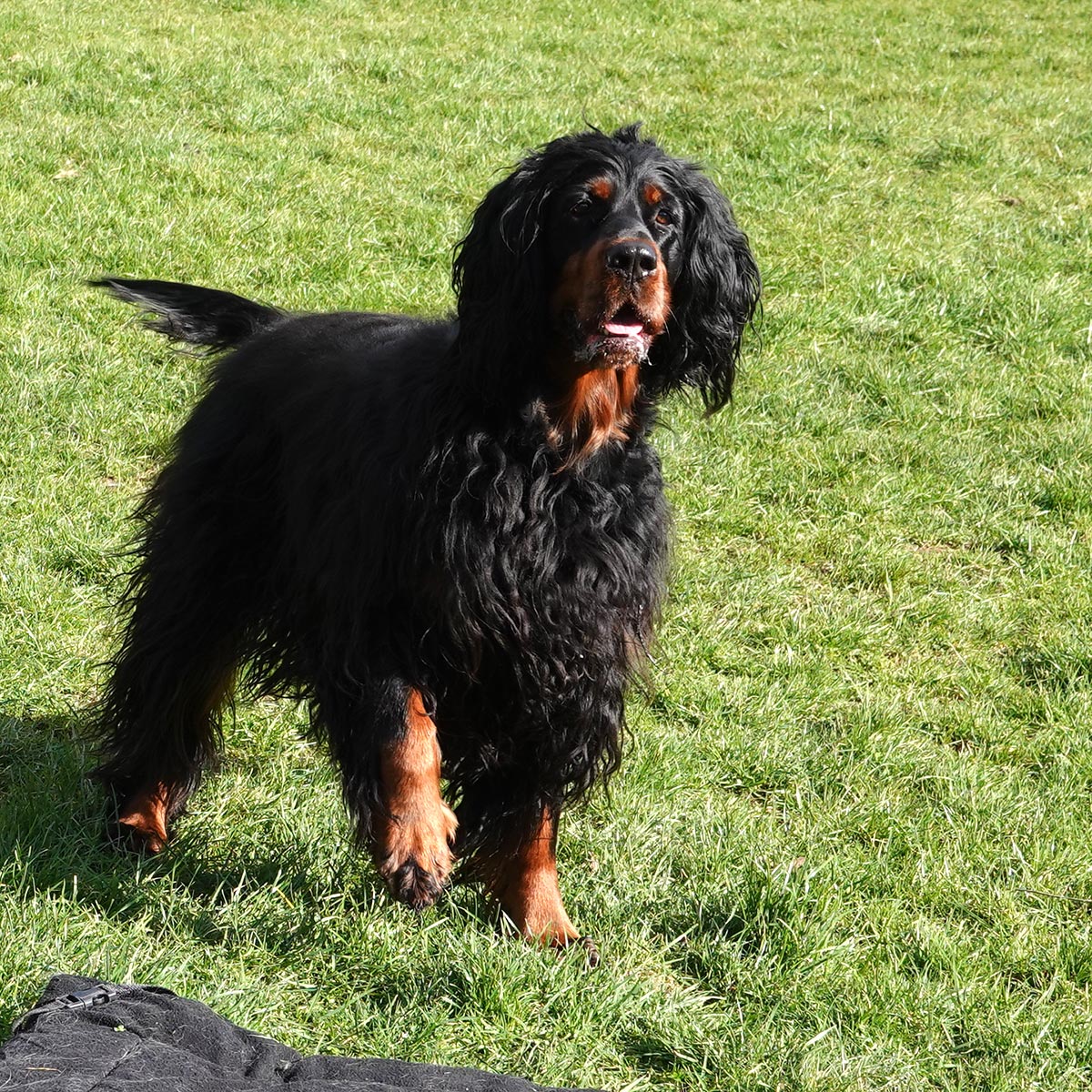
Duration: sustaining movement
Continuing and maintaining a specific movement

Cue Seeking
Being an active learner and seeking opportunities for more rewards

Going Shopping
This is a joint travelling adventure. It completely resets the learning and can easily extend the reinforcement process.

A teaching plan
The pathway ahead, a road map for success. Details of what, why, when, how.

A Cue or not a cue?
With thoughtful planning and a good understanding of the relevance of antecedent selection we can teach the dog the skills of sorting the wheat from the chaff, finding the bones of the exercise. This skill is critical to being able to distinguish between distractions, which are just cues for an alternative reward opportunity, and cues which signify a guarantee of success.

When we train a dog it grows
Most training starts from necessity. Management is a necessity but it usually benefits all parties by a reduction of conflict. Are they expanding their skills to benefit us or for their benefit?
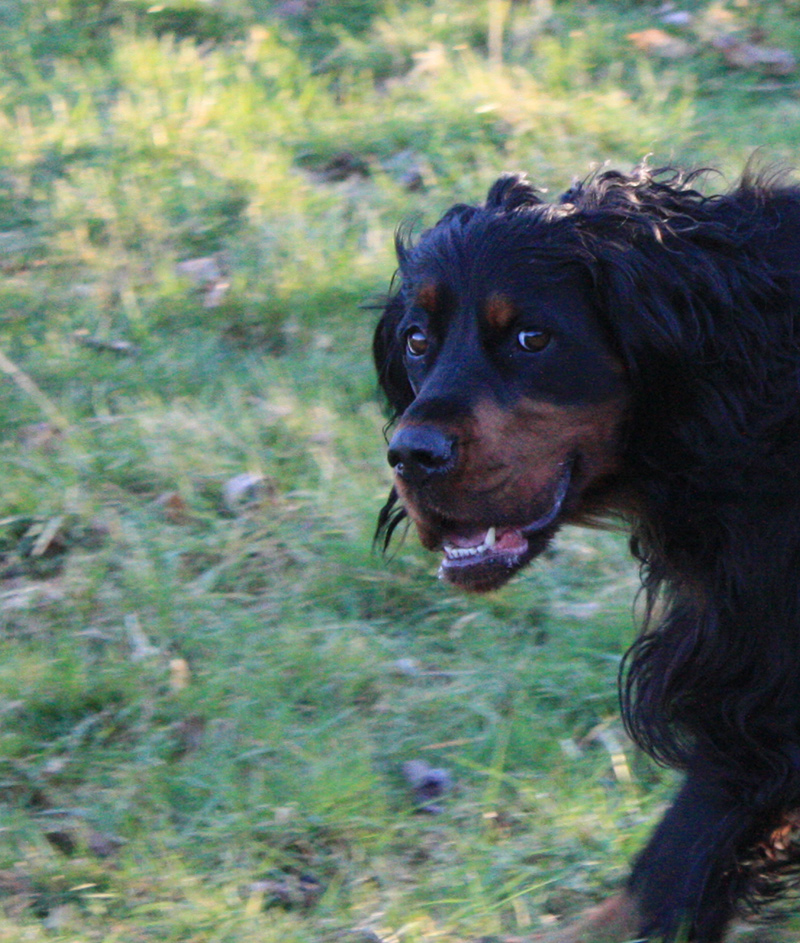
The choice of lure
Luring teaches trainers essential skills: how to use suggestion and guidance, explain dynamic movement in the cues from our hands.

Duration or is it Breakfast in Bed?
Teaching duration has become a very muddied understanding or what it is and how to teach it. This is partly due to how we use words that are the same but have entirely different meanings.
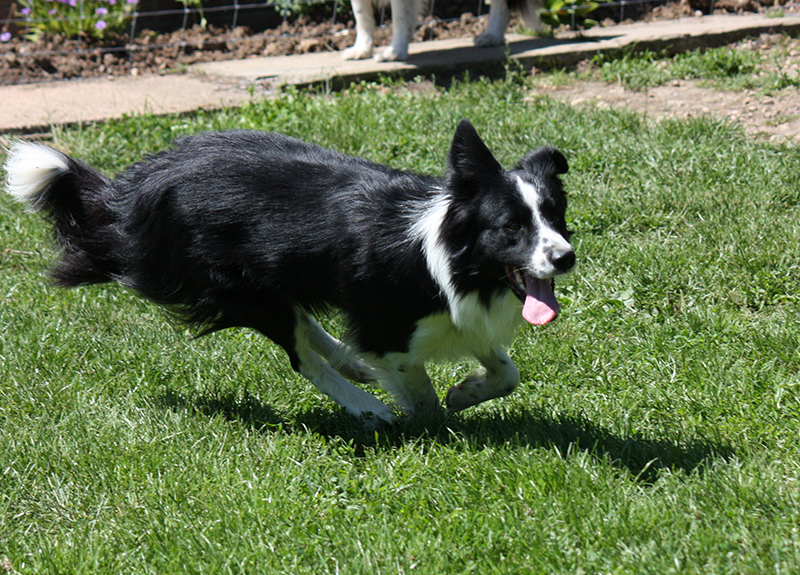
Fast does not mean better
We are becoming surrounded by a culture of fast. We are being sold that immediate gratification is the only solution.
Stop doing that ….
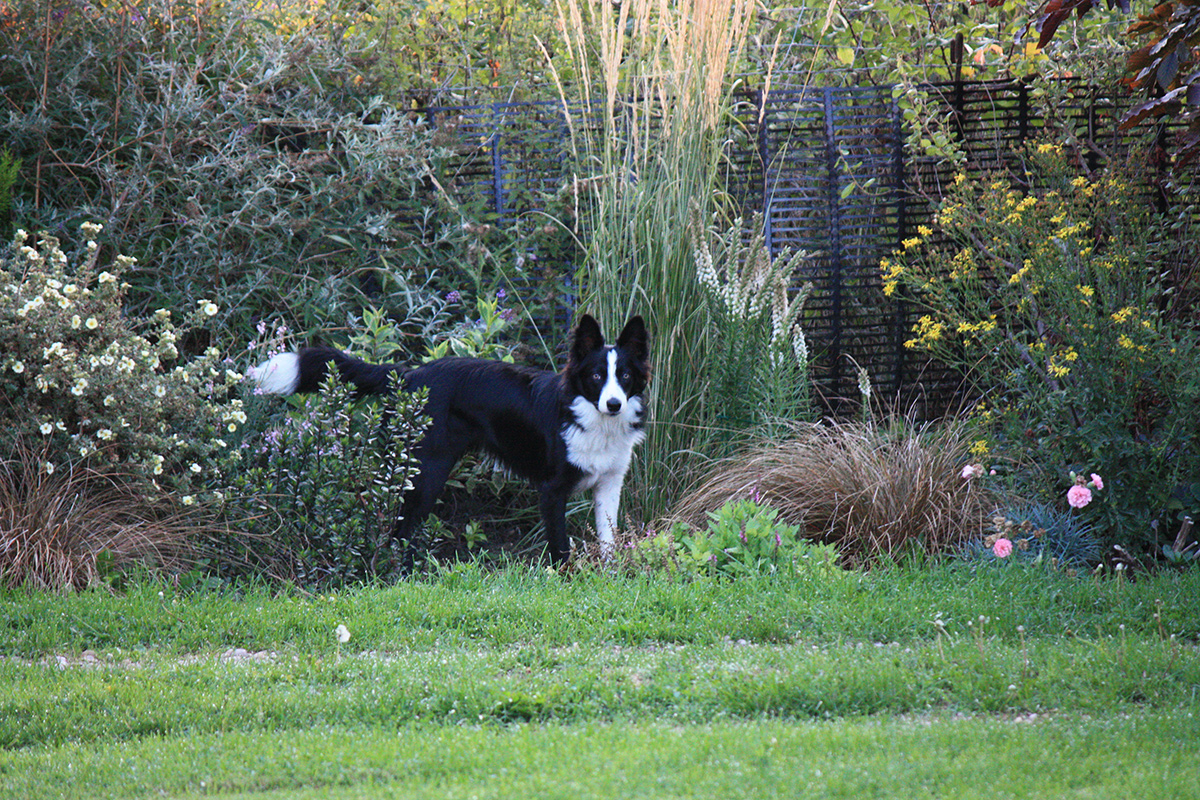
Can we teach an effective Cease That Behaviour? Absolutely. We can teach that positively, without harm, and we should teach them the skills of stopping that and doing this instead.

Nose Target. No thanks
Nose target is a popular behaviour taught to many dogs, and other animals. It seems easy to teach and have practical application, but it is often not such a pleasant experience for all dogs. There are many other options available that give the same practical benefit, without the unpleasant extremes.

Release cue or stay cue
Many of us begin with teaching sit or down, and this is one of the earliest experiences of training with reinforcement. Is the sit, or down, going to be a terminal behaviour, or a temporary position?

The Fade-in Protocol
Even though today we are surrounded by many available protocols for teaching with positive reinforcement, there is still a persistence that a dog should be set-up to make an error. An error is simply the difference between my expectation and the dog’s response. No more “distractions”, but faded-in environments.
Reasons to use a clicker
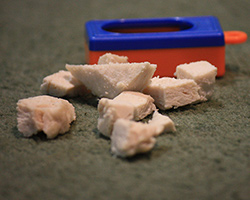
The concept of “being a clicker trainer” is always going to lead to argument and misunderstanding because it cannot exist alongside the science and technology. It is a “fakery” of our time. The clicker itself is a simple tool that when used in conjunction with technology provides clarity and understanding in teaching.